Series Summary
The story revolves around Bo, a succubus who finds out that she is part of a hidden world called Fae. This world divides the supernatural beings into Light and Dark factions, but Bo does not join either side. Raised and integrated into human society, she makes the decision to explore her origins, and Lost Girl is the tale of that journey.
The series runs for 5 seasons, and as it progresses, the world becomes more layered and complex. New powers, characters, and storylines come into play, and Lost Girls bridges these within the broader arc of Bo's journey.
Lost Girl has dark undertones, but the main themes are highly relatable, with witty and sympathetic characters.
Genre and Storytelling Approach
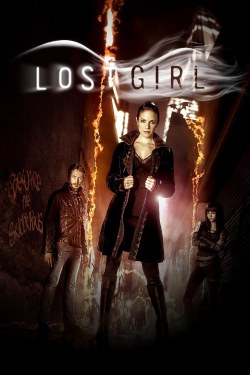
While a darker story with a heavy emphasis on supernatural fantasy, Lost Girl is also a romance story, with drama, humor, and companionship. The series spans 77 episodes, which are 44 minutes long on average. Each episode is filled with intriguing developments, mixing humor, sexuality, and drama into one episode. New subplots and side quests are continuously added to add more depth and create a larger lore for fans, all while pursuing the broader goal of discovering who Bo is and her origins.
Cast and Performances
Anna Silk portrays Bo throughout the series, and she arguably carries the character. The show developed a massive cult following, largely due to Silk's performances. Bo's friend Kenzi, portrayed by Ksenia Solo, gave the energy and humor to the series, becoming another fan favorite.
Dyson, played by Kris Holden-Ried, is a conflicted werewolf who is a homicide detective in the human world, and acts as an entry into the world of Fae for audiences. Doctor Lauren Lewis, played by Zoie Palmer, is another integral character, who serves as a doctor and scientist for Light Fae. Also a love interest for Bo, she adds another dimension to the supernatural narrative through human eyes.
Key Highlights
Lost Girl revolves around self discovery, and how different storylines converge into one. Decisions taken, new narratives, and the balance between the supernatural world and the human one give the show its unique context. One of the key highlights is that Bo remains neutral in this supernatural world, refusing to side with either Light or Dark.
This creates tension, moral dilemmas, and drives the self-discovery angle of the TV series. The series was a sleeper hit that became really big for its inclusion of same-sex sexual orientation. Bo, the sexually fluid protagonist, is put in a love triangle that continuously challenges her desires and needs, something that was not common in mainstream TV series at the time Lost Girl came out.
Final Thoughts
Anna Silk was the mainstay of the series, whose portrayal of Bo won over international audiences. As the character develops in the series, she becomes more complicated, emotionally deep and is pushed to build leadership qualities. Silk has reflected on the series finale, stating the importance of giving the audience closure. It stays true to the spirit of the show, and gives fans an ending but without completely closing off the world, a storytelling approach often explored on Film & Pop Culture Insights.
This narrative decision deliberately leaves a loose end for fans to interpret as they wish. It does not round off the story with a definite or a steep halt. Instead, just as the story captured the imagination of its audiences, it gives them back the freedom to interpret the ending as they see fit. Lost Girl teaches important lessons of balance, choice, and identity, that audiences take with them after finishing the series.
Entertainment Supporters