Why Film and TV Still Drive the Biggest Pop Culture Trends
Streaming hasn't scattered audiences so much as redirected them. When HBO's The Last of Us premiered in January 2023, it pulled in over 30 million viewers per episode and reignited mainstream interest in video game adaptations almost overnight. That's the kind of cultural gravity only screens can generate.
Prestige dramas and blockbuster franchises don't just entertain. They set the agenda. Succession reshaped how people talked about wealth and power for four straight seasons. Barbie turned a single film release into a months-long conversation about feminism, marketing, and the color pink.
Fashion responds just as fast. After Bridgerton debuted, corset sales spiked across multiple retailers. Language shifts too. "Winter is coming" became shorthand for dread well beyond Game of Thrones fans.
There's no denying that private viewing rarely stays private. A Sunday night finale becomes Monday's office debate, social media thread, and opinion column simultaneously. Screens still set the terms.
How Fandom Culture Turned Audiences Into Active Communities
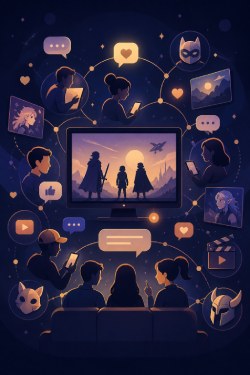
Watching a television show would end as soon as the credits rolled until...well, until the advent of Social media. Rather than sit idly by being fed the next product, social media came along and began breathing warmth into the cold screen. People began tweeting about the episode in real time, go onto Reddit and discuss all aspects of it, create and commission fan art across the world, and launch campaigns that actually produce results-bindingly reconstruing studio decisions.
As early as 2018, the #SaveDaredevil movement joined forces to bring back the series, succeeding in reviving it under the Marvel Studios banner some years later after the Netflix put out the gauntlet.
San Diego Comic-Con-type conventions lent a new formality to this power so that studios could no longer ignore the signals-right in front of their ears and eyes.
There's no denying that amazing creativity drives fandoms. Fan fiction communities, cosplay culture, and YouTube reactions have built creative economies around existing IP.
Indeed, complexity exists in that domain. The idea of having a "true fan" linked with gatekeeping, systematic harassment of cast members, and toxic backlashes against creative choices causes quantifiable damage. Fandoms are incredibly loyal to the point of animosity.
Why Certain Characters Become Bigger Than the Story
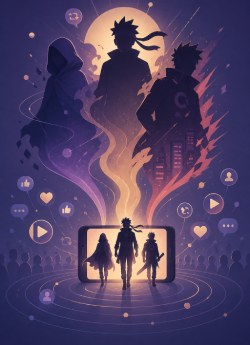
Some fictional figures outgrow their source material entirely. Walter White, Daenerys Targaryen, Wednesday Addams – these characters stopped belonging to their shows the moment audiences claimed them as cultural shorthand.
Timing matters enormously. Wednesday's 2022 Netflix revival landed during a period of peak "dark academia" aesthetics online, and her deadpan defiance resonated instantly with younger audiences who saw something of themselves in her refusal to conform. Fan edits spread across TikTok within days. Halloween costume sales reflected it for two straight years.
Moral ambiguity helps too. Characters who operate in grey zones – who want things audiences secretly want – generate the kind of discourse that keeps a show relevant long after it airs.
Representation accelerates all of this. When a character reflects an identity rarely seen onscreen, the emotional investment runs deeper than fandom. It becomes personal.
There's no denying that the characters who endure are mirrors. Audiences aren't just watching. They're recognizing.
Pop Culture Reflects Society and Pushes It Forward
It is true that when one watches anything on the screen, it does not remain just entertainment. Cinema and television shape public sentiment, shift social norms, and give language to the experiences of people who did not know yet how to articulate their memories. Furthermore, with the maintenance of fandoms, passive views become real communities real enough to produce change in society, often deciding what gets made or canceled, a dynamic often explored on Film & Pop Culture Insights. Characters such as Katniss Everdeen and Walter White are not merely for entertainment but also act as facilitators of some unspecified cultural commentary on the concepts of power or morality and identity. These phenomenon do not represent some distractions from the serious part of life; in fact, they show what exactly is being contemplated and worked through at one time. As more networks begin streaming with more and more niche audiences, both pop culture and change will inevitably become more complex and personal connections that can no longer go unaddressed.
Entertainment Supporters